How Phones Are Tracked When You Cross Borders (Roaming Surveillance Explained)
International phone tracking begins the moment your device connects to a foreign carrier—often before you make a call or open an app. Roaming automatically generates location logs, movement patterns, and metadata that can be shared across networks and jurisdictions. VPNs don’t stop this, because tracking happens at the network level. Ghost Sim reduces this exposure by separating your identity from your SIM, making cross-border mobile surveillance far harder to link back to you.
By GhostSims Team ·
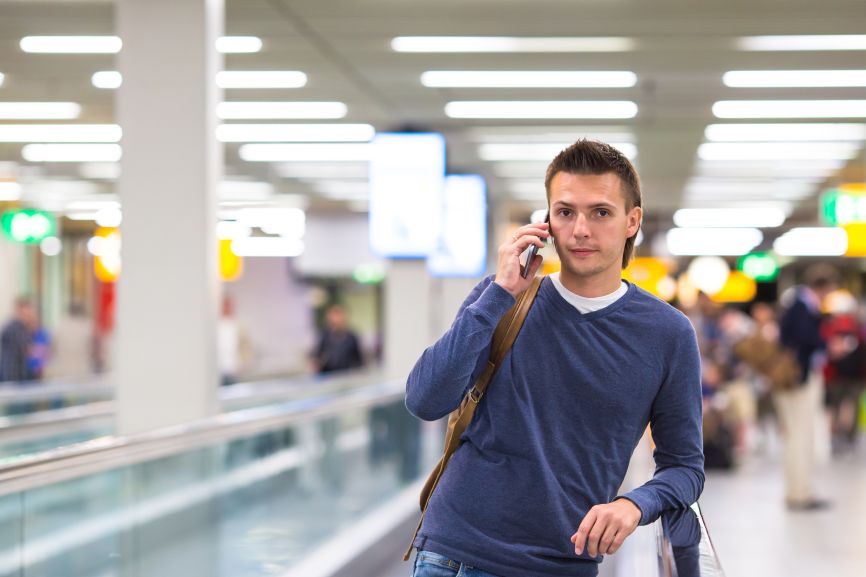
If you travel internationally for work, journalism, activism, business, or personal reasons, your phone is probably the one device you rely on most - and the one exposing you the most. The problem is that phone tracking when traveling happens automatically, often without consent, notification, or any suspicious behavior on your part. The moment your device connects to a foreign mobile network, your location and activity begin generating roaming data across borders. This is exactly where Ghost Sim helps - by removing direct identity links from your mobile connection so international roaming surveillance has far less to attach to in the first place.
The Hidden Moment Your Phone Becomes Trackable Abroad
Here’s the part most travelers never realize.
Your phone doesn’t wait for you to make a call, open an app, or send a message. The instant you land and disable airplane mode, your device starts negotiating access with a foreign carrier.
That handshake creates data.
And that data travels.
This is the foundation of international mobile tracking.
What Actually Happens When You Roam Into Another Country
When your phone enters a new country, it connects to what’s called a visited mobile network. That network must coordinate with your home carrier to authenticate your service.
During this process, several things happen at once:
Your device registers its presence in a new country
The foreign carrier logs your connection
Your home carrier is notified of your roaming status
Location-related metadata begins updating continuously
This is not optional. This is how roaming works.
From a surveillance perspective, this creates cross-border phone surveillance by default.
Why Phone Tracking Abroad Is Different (and More Risky)
Domestic tracking already carries privacy risks. But phone tracking abroad introduces new players:
Foreign telecom operators
Government regulators in another jurisdiction
Border and immigration authorities
Intelligence-sharing agreements
Each layer increases exposure.
Unlike at home, you don’t control the legal environment your data enters.
Roaming Metadata Tracking: The Real Surveillance Engine
Most people think tracking requires hacking or spyware. It doesn’t.
Roaming metadata tracking alone can reveal:
When you entered the country
Which cities you visited
How long you stayed in each area
When you crossed borders again
Who you communicated with (not content)
Metadata builds movement patterns. Patterns build profiles.
And profiles don’t need your permission.
To understand the bigger picture behind roaming surveillance, it helps to see how mobile network surveillance operates globally across interconnected carrier systems and intelligence-sharing frameworks
Can Phones Be Tracked When Traveling Abroad?
Yes - and not hypothetically.
Phones are routinely tracked when traveling abroad because roaming networks are designed to log movement for billing, optimization, and security.
Even if you:
Don’t use apps
Don’t browse the web
Don’t make calls
Your phone still talks to towers.
That’s tracking.
Does Roaming Expose Your Location to Foreign Carriers?
Absolutely.
Foreign carriers must know where your phone is to deliver service. That information doesn’t stay isolated.
It is:
Logged
Stored
Shared back to your home network
Potentially accessed under local laws
This is why roaming surveillance is so effective - it’s built into the system.
Border Crossings: When Tracking Intensifies
Borders are sensitive zones.
When you approach or cross one, mobile networks often increase logging precision. That’s because governments treat borders as high-interest locations.
This can include:
Higher-frequency location updates
Cross-referencing with immigration timestamps
Retention of movement logs
Your phone doesn’t know it crossed a border.
The networks do.
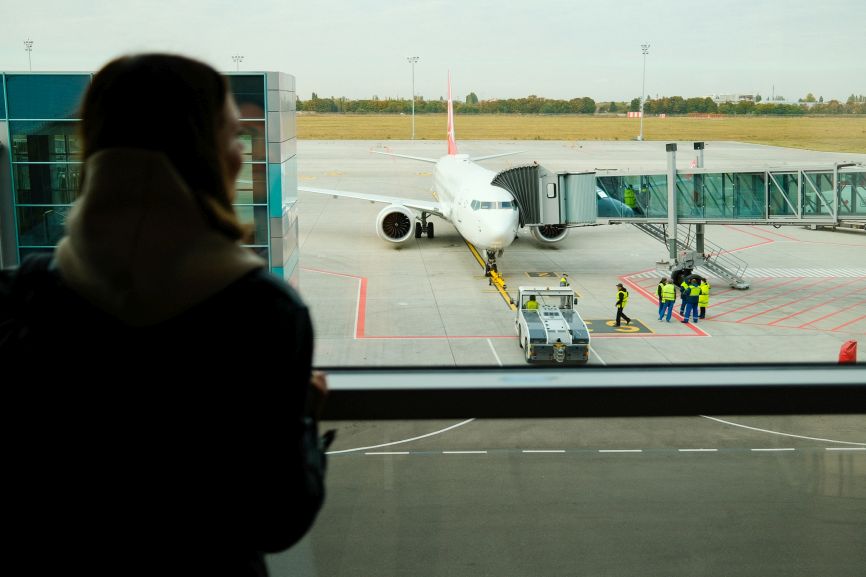
In high-risk locations like border zones and transit hubs, IMSI tracking is often used to silently identify and monitor nearby phones without the user ever realizing it.
Why Airplane Mode Isn’t the Safety Net You Think
Airplane mode helps - but it’s not foolproof.
Depending on your device and settings:
Bluetooth may stay active
Location sensors may continue logging
Apps may sync once connectivity resumes
Airplane mode reduces exposure, but it doesn’t erase what already happened during roaming registration.
Many travelers assume privacy tools are enough, but the reality is that VPN limitations on mobile networks leave roaming metadata and location exposure largely untouched.
Is It Safer to Use Wi-Fi While Traveling?
Sometimes - but with caveats.
Public Wi-Fi can reduce cellular tracking while connected, but:
Your phone still reconnects to mobile networks when Wi-Fi drops
Location history may sync afterward
Many public networks log device identifiers
Wi-Fi shifts the risk. It doesn’t eliminate it.
Why “Nothing to Hide” Fails Abroad
Here’s the uncomfortable truth.
You don’t need to be suspicious to be surveilled.
International tracking is often indiscriminate, not targeted. Data is collected first and evaluated later.
That’s how:
Journalists get flagged unintentionally
Business travelers expose trade routes
Activists leave digital trails without realizing it
Surveillance scales by default.
Real-World Scenario: A Normal Traveler, Fully Tracked
Imagine this:
You land in Frankfurt for a 3-day business trip. You leave your phone on. You roam. You attend meetings. You fly home.
Behind the scenes:
Your movement across districts is logged
Your presence at specific buildings is recorded
Your travel timeline is reconstructed
No alerts. No warnings. No permissions.
That’s phone tracking when traveling.
How to Reduce Cross-Border Phone Surveillance
You can’t eliminate tracking entirely - but you can reduce exposure.
1. Limit Roaming Time
Keep roaming off until absolutely necessary.
2. Power Down During Border Crossings
A powered-off phone generates no signals.
3. Separate Identity From Connectivity
This is where most people fail.
Your phone number is tied to you.
Your roaming data follows that identity.
Why Identity Separation Matters More Than Encryption
Encryption protects content.
It does not stop tracking metadata.
If your SIM is tied to your identity, roaming networks still know who is moving-even if they can’t read messages.
Ghost Sim changes that equation by removing personal identity from the SIM itself.
Where Ghost Sim Fits In
If all of this feels overwhelming, that’s because traditional mobile networks were never built for privacy-first travel.
Ghost Sim exists for people who:
Travel across borders regularly
Need anonymity at the network level
Want to reduce exposure without changing devices
By design, Ghost Sim limits how roaming data can be linked back to you-making international mobile tracking far less useful to observers.
Not invisible.
But significantly harder to exploit.
Key Takeaway: Tracking Happens Before You Do Anything
The most important thing to remember:
Your phone is tracked abroad before you make a single choice.
Roaming surveillance begins at connection - not behavior.
Understanding that is the first step to protecting yourself.
Frequently Asked Questions (FAQs)
Can phones be tracked when traveling abroad?
Yes. Phones are automatically tracked through roaming network logs and location metadata the moment they connect to a foreign carrier.
Does roaming expose my location to foreign carriers?
Yes. Foreign carriers must log your location to provide service, and this data is often shared with your home network.
Does a VPN protect me when roaming?
No. VPNs do not stop roaming metadata tracking or prevent mobile networks from logging your location.
Is it safer to use Wi-Fi while traveling?
Wi-Fi can reduce cellular tracking temporarily, but your phone often reconnects to mobile networks, restoring tracking.
How can I reduce tracking when crossing borders?
Power off your phone at borders, limit roaming use, and separate your identity from your mobile connection.
Final Thought
International travel shouldn’t mean invisible surveillance follows you everywhere you go. Once you understand how phone tracking when traveling actually works, you can make smarter decisions - and choose tools designed for modern privacy realities, not outdated assumptions.
Book Your Encrypted SIM for international travel online or Contact us on Whatsapp +44 7375 695524