eSIM vs Physical SIM: Which Is More Private in 2026? (Reality Check)
eSIM is more secure than a physical SIM in 2026 — especially against theft and SIM-swap fraud — but it doesn’t make you anonymous. Both SIM types remain trackable by carriers through IMSI, IMEI, and network metadata. If you’re serious about privacy, the real solution goes beyond SIM format and focuses on reducing identity exposure at the telecom level
By GhostSims Team ·
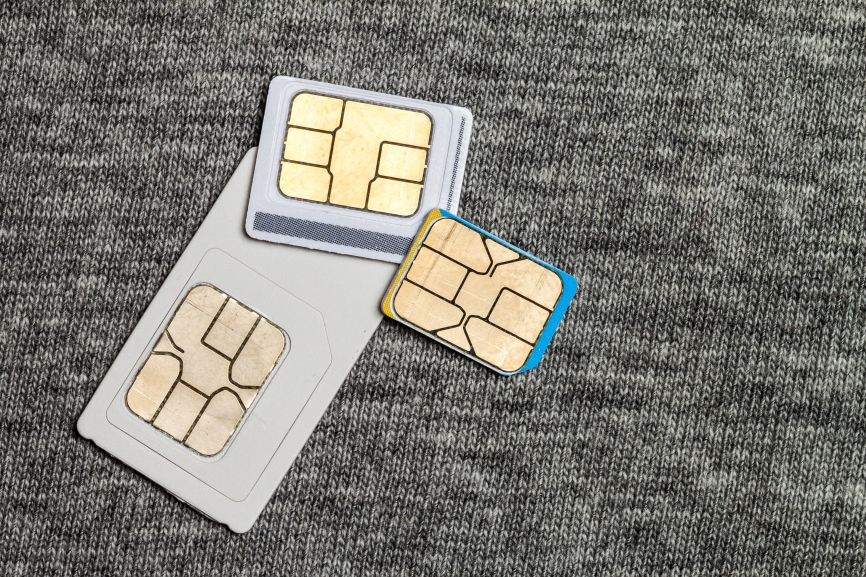
If you’re a journalist, executive, activist, frequent traveler, or simply someone who values privacy, you’ve probably wondered whether switching to eSIM actually makes your phone more private. You hear about SIM swaps, stolen phones, carrier tracking, and data leaks - but the advice online is confusing. At Ghost Sim, we work with users who want more than convenience; they want control over their mobile identity. So let’s cut through the noise and look at what really changes in 2026.
Here’s the reality: eSIM is generally more secure against everyday threats - but it does not make you invisible.
Let’s break it down properly.
Quick Answer: Which Is More Private in 2026?
For most users in 2026, eSIM is more secure and private than a physical SIM - especially against theft and SIM-swap fraud.
However:
Both eSIM and physical SIM are equally trackable by carriers.
Neither stops IMEI tracking.
Neither alone prevents telecom-level surveillance (SS7/Diameter exploits).
True privacy depends on identity exposure at the network level - not just the SIM format.
So yes, eSIM wins on device security. But that’s only part of the story.
What Actually Changes Between eSIM and Physical SIM?
Physical SIM
Removable plastic card.
Can be inserted into another device.
Can be stolen or swapped.
Easier for criminals to hijack through social engineering.
eSIM
Embedded directly into the motherboard.
Digitally provisioned via QR code or carrier app.
Cannot be physically removed.
Requires authenticated digital transfer.
The hardware difference matters - especially in 2026 when SIM-swap fraud remains a global problem.
According to the Federal Communications Commission, SIM swapping continues to cause financial and identity losses annually.
Why eSIM Is More Private (In Practical Terms)
1. Tamper-Proof Design
An eSIM is soldered into your device. If your phone is stolen:
A thief cannot remove the SIM.
“Find My” services remain active.
Remote wipe is still possible.
With a physical SIM? It takes seconds to pop it out.
In cities like London or New York, where phone theft is common in crowded transport hubs, this difference matters.
2. Reduced SIM-Swap Risk
SIM swapping is when attackers convince a carrier to transfer your number to their SIM.
With physical SIM:
Criminals can socially engineer support agents.
They receive a new card with your number.
With eSIM:
Transfer requires stronger digital authentication.
There’s no physical card to intercept.
Is it impossible? No.
Is it harder? Yes.
For users who want stronger privacy than a standard carrier profile, an anonymous eSIM can help reduce identity exposure while keeping mobile communication secure.
3. No Physical Trail During Travel
If you’ve ever bought a SIM at an airport kiosk in Dubai or Bangkok, you know the drill:
Hand over your passport.
Swap cards.
Hope you don’t lose your home SIM.
eSIM eliminates the physical exchange. That reduces exposure risk.
But - and this is important - not all travel eSIM providers are privacy-focused. Some route traffic through unexpected regions.
Privacy isn’t just about format. It’s about infrastructure.
If you prefer embedded technology but want stronger privacy controls than standard carrier profiles, our secure encrypted eSIM is designed to protect your calls and reduce identity exposure at the telecom layer.
Where Physical SIM Still Has Advantages
Let’s be honest.
1. Easy Device Switching
If you rotate between older devices, burner phones, or legacy hardware, physical SIM is simpler.
Pop it out. Move it.
eSIM transfers can be more restrictive depending on carrier policies.
2. Total Physical Disconnection
If you want absolute disconnection:
Remove physical SIM.
Phone loses network access immediately.
With eSIM, you can deactivate it - but it remains embedded hardware.
That said, an inactive eSIM cannot connect to a network.
For users who prefer removable hardware but still want stronger identity protection, our secure physical SIM solution offers encrypted calling and reduced exposure at the network layer.
The 2026 Privacy Misconceptions (Reality Check)
“Switching to eSIM makes me anonymous.”
No.
Carriers still track via:
IMSI
IMEI
Cell tower triangulation
Network metadata
Both SIM types are equally trackable at the carrier level.
If you're concerned about IMSI-based tracking or roaming surveillance, the format of the SIM doesn't eliminate exposure - identity architecture does.
To understand how attackers can intercept calls and silently request your location through carrier infrastructure, read our deep dive on SS7 and Diameter attacks and how telecom networks leak sensitive data.
“Carriers track eSIM users differently.”
No.
From the network’s perspective, eSIM and physical SIM function the same. The authentication credentials live in a different form, but tracking mechanisms remain unchanged.
“A VPN makes eSIM private.”
A VPN encrypts internet traffic.
It does NOT:
Hide your IMSI
Prevent carrier metadata logging
Stop SS7/Diameter signaling exploitation
VPN ≠ telecom-layer privacy.
If you’re relying on a VPN to solve telecom-level privacy risks, you’ll want to read our breakdown of why VPNs don’t protect you from mobile network surveillance before assuming your calls and metadata are secure.
Can eSIM Be Hacked?
Yes - but usually through:
Malicious QR codes
Phishing emails pretending to be carriers
Fake travel eSIM apps
Only download profiles from official carrier platforms or verified providers.
The embedded chip itself is highly secure. The risk is human error.
The Bigger Question: What Actually Minimizes Metadata Trails?
If your concern is:
Government surveillance
Corporate data mining
Telecom protocol exploitation
Identity-linked SIM registration laws
Then the debate isn’t just eSIM vs physical SIM.
It’s about identity separation from the network layer.
That’s where solutions like Ghost Sim come in.
Instead of relying on format differences, Ghost Sim focuses on:
Encrypted calling on any phone
Removing personal identity linkage from SIM registration
Reducing exposure to telecom-level surveillance
Keeping call logs and connection history private
In other words - it addresses the layer that eSIM vs physical SIM doesn’t fix.
If you want to see how that works technically, explore our encrypted SIM solution here:
https://ghostsims.com/
If you’re looking beyond SIM formats and want a full breakdown of practical privacy strategies, read our guide to anonymous communication in 2025 to understand how to call and text with minimal traceability.
eSIM vs Physical SIM for Travel in 2026
Best for frequent travelers: eSIM
Best for legacy hardware: Physical SIM
Best for true privacy-conscious users: Secure, identity-protected SIM infrastructure (not just format choice)
Devices like the Apple iPhone 15 and newer models in the U.S. are already SIM-tray free. The market is moving toward embedded solutions.
But convenience ≠ anonymity.
If you travel frequently, it’s also important to understand how roaming surveillance works when your phone connects to foreign networks and what that means for your metadata exposure.
If you're considering switching to a privacy-focused eSIM, compare the best anonymous eSIM providers to understand which options offer stronger identity protection and fewer registration requirements.
Frequently Asked Questions (FAQs)
Which is more private, eSIM or physical SIM?
eSIM is generally more secure against theft and SIM-swap attacks, but both are equally trackable by carriers.
Is physical SIM still better than eSIM?
Only if you frequently switch devices or need easy physical removal.
Can carriers track eSIM users differently?
No. Tracking methods remain the same.
Does switching to eSIM stop IMSI/IMEI tracking?
No. Network-level identifiers remain active.
Is eSIM safer for travel?
Yes, from a theft and convenience standpoint - but choose reputable providers.
What’s the best option for minimizing metadata trails?
A secure SIM solution that separates identity from network registration and encrypts communication at the telecom layer.
Final Verdict: Which Is More Private in 2026?
For the average user:
eSIM is safer against theft and SIM-swap fraud
eSIM is more convenient and harder to physically compromise
Neither eSIM nor physical SIM stops carrier-level tracking
Neither prevents telecom signaling exploitation
If your threat model is everyday criminal risk → choose eSIM.
If your threat model includes network surveillance → you need more than format.
Here’s the thing: most people upgrade to eSIM thinking they’ve solved privacy. They’ve solved theft risk - not telecom exposure.
And that distinction matters.
Order Your Ghost SIM Online or Contact us on Whatsapp +44 7375 695524