Secure Ways to Receive Verification Codes Privately
Learn secure ways to receive verification codes privately without exposing your real number. Discover safer alternatives to public SMS sites, including authenticator apps, encrypted SIMs, hardware keys, and anonymous OTP methods that help protect your identity and reduce tracking risks online
By GhostSims Team ·

If you care about online privacy, anonymous account creation, or protecting sensitive communications, receiving verification codes without exposing your real number has become a serious challenge. Banks, social apps, crypto exchanges, and messaging platforms increasingly require SMS verification, yet traditional mobile numbers leave users vulnerable to SIM-swapping, spam, tracking, and identity leaks. Ghost Sim helps privacy-conscious users secure calls, messages, and verification activity with encrypted, anonymous mobile connectivity designed for modern digital security.
Why People Want Private Verification Methods
A few years ago, most people gave out their personal number without thinking twice. Today? That same number can connect your social profiles, banking apps, shopping accounts, and even location history.
Here’s the problem:
The moment your real number gets tied to multiple services, your digital footprint grows fast.
That creates risks like:
SIM-swapping attacks
Data broker tracking
Spam and phishing campaigns
Social engineering attempts
Account takeover vulnerabilities
Leaked verification activity
This is especially common for:
Journalists and whistleblowers
Crypto traders
Travelers using foreign services
Privacy-focused users
Business owners separating identities
People creating secondary accounts
And let’s be real - most “free SMS verification” sites are terrible for privacy.
Many public inbox services expose messages openly, recycle numbers, or fail entirely when platforms detect them.
Why Traditional SMS Verification Is No Longer Fully Secure
SMS-based OTP (One-Time Password) systems were designed for convenience, not privacy.
Cybersecurity experts, including guidance from the U.S. National Institute of Standards and Technology (NIST), have repeatedly warned about the weaknesses of SMS authentication because messages can potentially be intercepted or redirected.
Common SMS verification risks include:
SIM-Swapping
Attackers convince mobile carriers to transfer your number to another SIM card. Once successful, they can receive your login codes instantly.
Metadata Tracking
Even encrypted apps may expose metadata through your carrier connection, including timestamps, approximate location, and network identifiers.
Public Data Leaks
Some free temporary number providers log or publicly display incoming verification codes.
Account Correlation
Using the same number everywhere allows platforms and advertisers to connect your activity across services.
That’s why more users are now searching for secure alternatives.
Best Secure Ways to Receive Verification Codes Privately
1. Use Authenticator Apps Instead of SMS (Best Overall Security)
Authenticator apps generate verification codes directly on your device without relying on cellular networks.
Instead of receiving a text message, the app creates a rotating code locally every 30 seconds.
That means:
No phone number exposure
No carrier interception
No SMS forwarding attacks
No SIM-swapping risk
Popular options include:
Aegis Authenticator
A strong privacy-focused option for Android users with encrypted local storage.
Bitwarden Authenticator
Useful for users already managing passwords securely.
Google Authenticator
Widely supported and simple to use.
Microsoft Authenticator
Includes cloud backup and account recovery features.
Why This Method Works Well
If a service allows authenticator-based 2FA, it is almost always safer than SMS verification.
Especially for:
Crypto accounts
Banking apps
Email providers
Cloud storage
Business platforms
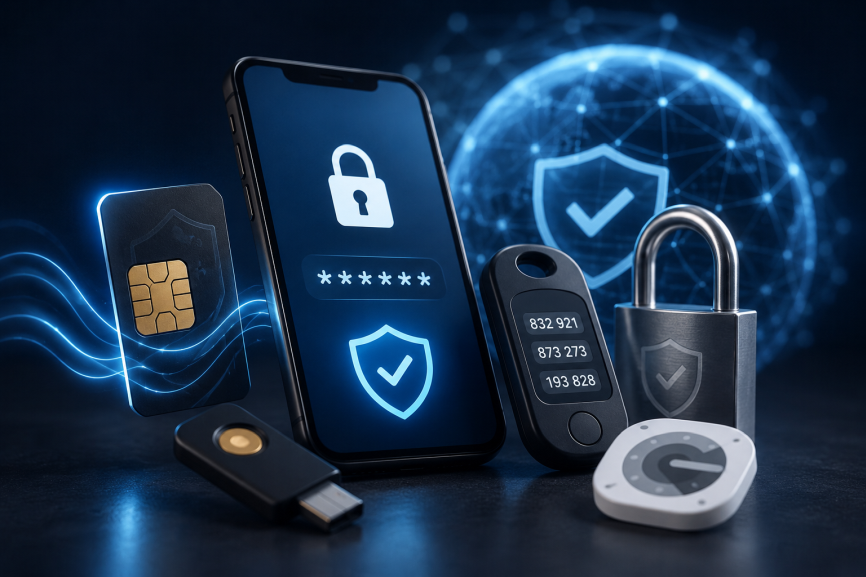
2. Use Hardware Security Keys for Maximum Protection
Hardware security keys are physical devices that verify your identity cryptographically.
Examples include:
YubiKey
Google Titan Key
Instead of entering an SMS code, you tap or insert the key into your device.
Benefits of Hardware Keys
Resistant to phishing attacks
No SMS exposure
No mobile carrier involvement
Extremely difficult to compromise remotely
This is currently considered one of the most secure forms of account verification available.
Downsides
They cost money upfront and not every platform supports them yet.
Still, for high-risk users, they’re worth considering.
What If a Website Requires SMS Verification?
Unfortunately, many services still force users to provide a mobile number.
This is where people usually hit a wall.
They try:
Free SMS receive websites
Disposable inbox platforms
Burner number apps
Then discover:
Codes never arrive
Numbers are blacklisted
Messages are public
Accounts get flagged later
That frustration is incredibly common.
If you want a deeper breakdown of anonymous OTP methods, this guide on how to receive SMS OTP without using your real number explains the safest secure and private options available today.
3. Use a Private Anonymous SIM Instead of Your Personal Number
When SMS verification is unavoidable, using a privacy-focused SIM solution is far safer than exposing your everyday number.
A secure encrypted SIM can help separate your identity from verification activity while protecting communications from unnecessary exposure.
Ghost Sim is designed specifically for users who need:
Anonymous communication
Secure calling
Encrypted messaging
Private mobile connectivity
Reduced digital tracking exposure
If anonymous verification is a priority, reviewing the best SIM cards for anonymous OTP verification can help you choose a more private solution for receiving verification codes.
Unlike typical prepaid SIMs, Ghost Sim focuses on privacy-first communication infrastructure.
This approach works especially well for:
International travel
Secondary account management
Business compartmentalization
Secure registrations
Privacy-sensitive communications
If you’re unsure whether a temporary number or a privacy-focused SIM is the better option, this comparison of temporary phone numbers vs anonymous SIMs explains what actually works for long-term privacy.
Are Free SMS Receive Sites Safe?
Short answer: usually not.
Many public verification platforms reuse numbers across thousands of users.
Many users eventually discover that free SMS verification platforms are unreliable, and this guide on why most free SMS receive sites fail explains the common risks and better alternatives.
That creates several problems:
Publicly Visible Messages
Some sites display incoming messages publicly in real time.
Anyone can potentially see the verification code.
Blacklisted Numbers
Large platforms like Google, WhatsApp, Telegram, and Meta frequently block known disposable numbers.
No Long-Term Access
You may lose access to accounts later if recovery codes get sent back to the same recycled number.
Increased Fraud Risk
Shared inbox systems are heavily abused by bots and scammers.
For anything important, these platforms are risky.
If privacy matters, avoid using public SMS inboxes for:
Banking
Crypto
Email recovery
Business accounts
Identity verification
Can You Get OTP Codes Without a SIM Card?
Yes - sometimes.
Here’s how people commonly do it:
Through Authenticator Apps
Apps generate codes offline without requiring active cellular service.
Through Email Verification
Some services allow verification through email instead of SMS.
Privacy-focused email providers include:
Proton Mail
Tuta
Through Linked Devices
Platforms like WhatsApp or Telegram may allow approval from an already authenticated device.
Through VoIP or Virtual Numbers
Some services accept internet-based numbers, though many now block them.
If you're considering a digital alternative to a physical SIM, this guide on receiving OTP on an eSIM explains how verification codes work and what limitations to expect.
How to Receive Verification Codes Privately: Best Practices
If privacy is your goal, combine multiple layers instead of relying on one method.
For additional privacy strategies, explore these best ways to verify accounts without your real number and reduce the amount of personal information tied to your online accounts.
Recommended Setup
For Maximum Privacy
Hardware security key
Authenticator app
Encrypted email provider
Anonymous encrypted SIM
For Everyday Users
Authenticator app
Separate verification number
Password manager
For Travelers or Secondary Accounts
Privacy-focused SIM
Temporary verification number
Encrypted messaging apps
Common Mistakes People Make
Using Their Main Personal Number Everywhere
This creates an easy trail connecting accounts together.
Relying Entirely on SMS Authentication
SMS alone is no longer considered highly secure.
Trusting Free Public Verification Sites
Many are unreliable or expose messages publicly.
Ignoring Recovery Security
Even if login verification is private, weak recovery settings can expose accounts later.
The Future of Private Verification
Platforms are slowly moving toward:
Passkeys
Hardware authentication
Device-based verification
Encrypted identity systems
But SMS verification is still widely used today.
That means privacy-conscious users need safer ways to manage verification activity right now - especially when creating accounts, traveling internationally, or separating identities online.
Solutions like authenticator apps, hardware keys, and encrypted SIM technology are becoming increasingly important as online tracking and account attacks continue to rise.
Final Thoughts
Receiving verification codes privately is no longer just a niche concern for cybersecurity experts. Regular users are becoming more aware of how much personal information gets tied to a single mobile number.
The safest approach depends on your situation:
Use authenticator apps whenever possible
Upgrade to hardware keys for high-security accounts
Avoid public SMS inboxes for sensitive services
Use privacy-focused mobile solutions when SMS verification is unavoidable
For users who need secure mobile connectivity without exposing their everyday identity, Ghost Sim offers a more private way to manage communication and verification activity while reducing unnecessary tracking exposure.
Order Your Ghost SIM Online or Contact us on Whatsapp +44 7375 695524