Security
8 min read
GrapheneOS Supported Devices: Full Compatibility List (2026)
Which phones actually support GrapheneOS? Complete breakdown of every compatible Pixel device, hardware requirements, and what to look for before buying.
Read Article
Expert guides on mobile privacy, encrypted communications, and protecting your digital identity.
Which phones actually support GrapheneOS? Complete breakdown of every compatible Pixel device, hardware requirements, and what to look for before buying.
Choosing the right phone is essential if you want to run GrapheneOS securely. In 2026, only select Google Pixel devices meet the strict hardware security requirements needed for this privacy-focused operating system. This guide explains which phones support GrapheneOS, why most Android devices aren’t compatible, and how to build a secure mobile setup
GrapheneOS only supports Google Pixel phones because they meet strict hardware security requirements such as verified boot, secure elements, and reliable firmware updates. This guide explains why other Android devices aren’t supported and which Pixel models provide the strongest foundation for running GrapheneOS securely.
In 2026, phone privacy isn’t about installing one “secure” app - it’s about system configuration, disciplined habits, and understanding what you can and can’t control. This complete device hardening guide walks you through iPhone and Android privacy settings, correlation risks, encrypted backups, and network-level exposure - so you can build a layered setup that actually protects your identity.
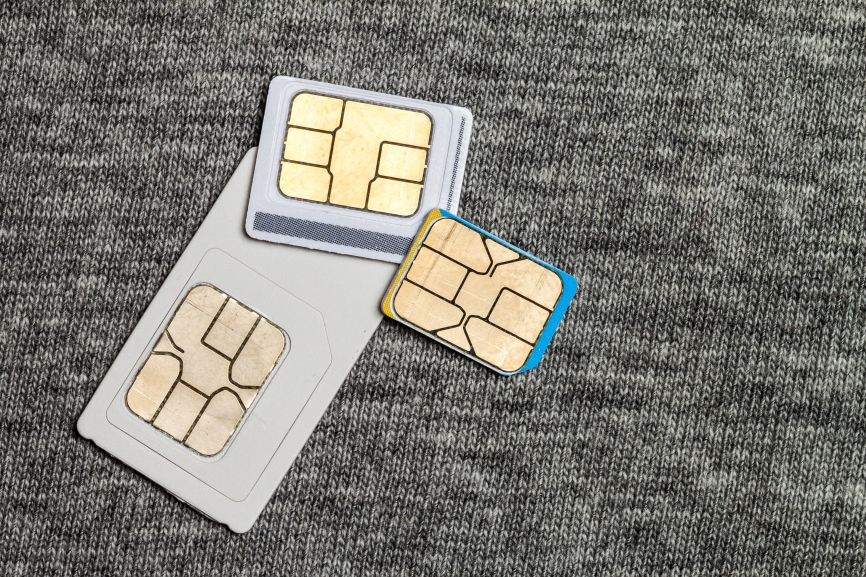
eSIM is more secure than a physical SIM in 2026 — especially against theft and SIM-swap fraud — but it doesn’t make you anonymous. Both SIM types remain trackable by carriers through IMSI, IMEI, and network metadata. If you’re serious about privacy, the real solution goes beyond SIM format and focuses on reducing identity exposure at the telecom level

Your phone number alone can expose you to silent location tracking, call interception, and SMS hijacking—without malware or user interaction. SS7 and Diameter protocol weaknesses allow attackers to query your location, reroute messages, and intercept authentication codes at the telecom level. These exploits happen inside global carrier networks, often invisibly. Ghost Sim reduces this risk by limiting identity exposure at the network layer, protecting calls, messages, and metadata from telecom-level surveillance.

International phone tracking begins the moment your device connects to a foreign carrier—often before you make a call or open an app. Roaming automatically generates location logs, movement patterns, and metadata that can be shared across networks and jurisdictions. VPNs don’t stop this, because tracking happens at the network level. Ghost Sim reduces this exposure by separating your identity from your SIM, making cross-border mobile surveillance far harder to link back to you.
Most VPN users assume they’re fully protected from surveillance—but VPNs only secure internet traffic, not the cellular network layer. Mobile carriers can still see your SIM identity, connection times, tower locations, and metadata. That’s where GhostSims comes in: a network-aware encrypted SIM that protects your privacy at the layer VPNs can’t reach. Used together, VPNs and GhostSims close the critical gaps in mobile privacy most users never realize exist.
Even the strongest encrypted SIM can fail if it’s not set up correctly. This guide walks you through securely activating and configuring an encrypted SIM or eSIM on iPhone and Android, explains why proper activation protects you from IMSI/IMEI tracking, and shares best practices to ensure your communications stay private from the very first connection.
Anonymous calling usually just hides your caller ID—it doesn’t make you untraceable. This guide explains how *67, phone settings, and virtual number apps work (and where they fail), why carriers can still log your SIM, IMEI, location, and call metadata, and what “true anonymous calling” requires in 2025: eliminating identifiers and reducing network-level tracking—not just masking a number.

In 2025, anonymous communication is no longer about hiding messages—it’s about stopping metadata from exposing your identity, device, and movements. This guide explains why traditional SIM cards, VPNs, and encrypted apps fail at true anonymity, how IMEI and IMSI tracking enable surveillance, and why encrypted SIM technology is the only way to disconnect your identity from mobile networks.

VPNs and encrypted apps protect your data - but your SIM card still exposes your identity, location, and device to the network. This guide explains why encrypted SIMs are the missing layer in mobile privacy, how standard SIMs leak IMSI and IMEI data, and how SIM-level encryption finally closes the gap for travelers, executives, journalists, and privacy-focused users.
Showing page 1 of 4
We use cookies to enhance your experience. Cookie Policy